

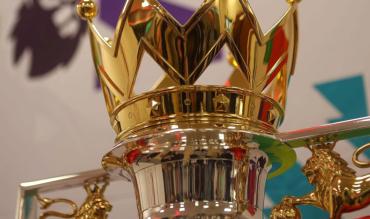

Premier League prize money remains the closest thing English football has to a gold rush, only the gold is split through broadcast income, merit payments, and commercial revenue rather than a single winner-takes-all cheque.
For 2026/27, the broad picture is straightforward: the pot is expected to keep growing, every place still matters, and even the bottom club will walk away with a sum that most leagues – let alone clubs – could only dream about.
Headline figures for 2026/27
Premier League prize money 2026/27 will, once again, be built from domestic and international broadcast deals, central commercial income, and the merit and facility payment system that rewards both finishing position and hosting TV and online streaming broadcast teams.
The Premier League has not published official figures for the 2025/26 or 2026/27 seasons, with its most recent publication dating to 1 July 2025 for the 2024/25 season. That leaves estimates doing the heavy lifting.
Good current ranges for merit payments put the return at about £2.7 million to £3.76 million per place, from roughly £2.7 million to £3.76 million for finishing 20th, all of the way up to £54 million to £75.2 million for winning the league.
The wider central payments picture is even bigger than that. In the most recent publication, the league’s combined central distributions pushed total prize money beyond £3 billion for the first time.
It’s a reminder that Premier League TV money is still the engine room behind the whole system. Of course, on top of the domestic payout, those that rank highly will benefit from even more millions coming in from the UEFA competitions.
How the money breaks down
Premier League prize money is not a single prize fund. It is built from equal share payments, merit payments, facility fees, and central commercial income, with the broadcast income split between domestic and international revenue streams.
Every club gets the same amount from the domestic and international pots for equal share payments and commercial revenue. Merit payments and facility fees are the moving parts. Merit payments vary by final league position, while facility fees vary according to how often a club’s matches are selected for live broadcasts.
That distinction matters because it explains why final earnings can look slightly odd at first glance. A club can finish lower than a rival but still earn more overall if it has been on television more often, and that is where the answer to the question of how much do Premier League clubs earn becomes less about table position alone and more about the full broadcast mix.
A prime example of this came in the 2024/25 season. Manchester United endured a horrendous seasons by the standards of the club, finishing 15th by the end of the 38th game.
United clawed in £136.2 million, which was more than 11th-place Fulham and every team below. Similarly, Tottenham Hotspur landed 17th, narrowly avoiding relegation that season. Their £127.8 million would narrowly rank them 16th, which was buoyed by their £20.2 in facility fees – good for the eighth-most in the league.
The new TV deal context and what changed vs 2025/26
The Premier League’s domestic broadcast environment changed sharply when a record £6.7 billion domestic deal began in 2025/26, while overseas rights continued to rise in value. That matters because the league’s central payments are tied directly to broadcast income, so a richer rights cycle usually means a richer distribution cycle.
The practical effect is simple enough. If the league’s core TV income keeps climbing, Premier League prize money should keep climbing, too. That is why the 2026/27 projection points to another increase in the overall prize pool, even before the final table and live broadcast selections are known.
Relegation
While all eyes are on the Premier League title odds tracker to see which team gets the most prize money, last place still banks over £110 million for the season. That figure sounds absurd, but it is exactly what makes relegation so painful: the cash does not disappear overnight, yet the club is suddenly trying to operate outside the division that generated it.
Parachute payments soften that fall. They are staged payments made to clubs relegated from the Premier League, designed to reduce the shock of moving into the Championship after the cost base of top-flight football.
In broad terms, those payments are estimated at roughly £33 million to £45 million in the first season after relegation, with more to follow in later years depending on the club’s term in the Premier League and in the divisions below. The structure exists because wages, transfer commitments, and operating costs do not shrink as quickly as income does.
How Premier League prize money compares to the Championship and Champions League
Premier League prize money per position dwarfs the rest of the domestic pyramid. Coming last in the Premier League pays an estimated ten times the amount of Championship prize money for the second-tier winner, and that gap tells you everything about the financial cliff edge between the two divisions.
Champions League prize money pays very well, but the headline winning bonus still does not match the biggest Premier League totals once all domestic revenue streams are included. UEFA lists €25 million – or about £21.51 million as of 3 September 2026 conversions – for the Champions League winners before League Phase performance money and Super Cup income are added.
League One prize money and League Two prize money can’t really compare with Premier League prize money at all. Their central distributions are tiny in relation to the Premier League’s broadcast-led model, which is why promotion into the top flight remains one of the biggest financial leaps in football.
FAQ
When is Premier League prize money paid?
Premier League central payments are typically distributed in stages across and after the season, with equal shares, merit payments, and facility fees arriving through the league’s central revenue system. The exact timetable depends on the payment type, but clubs do not receive everything in one lump sum on the final day of the season.
Does winning the Premier League pay more than the UEFA Champions League?
Yes, in pure central-payment terms it can. The Premier League champions’ total earnings are driven by merit payments, equal shares, facility fees, and commercial income, which can leave them with far more than the Champions League winners’ headline prize alone.
Once UEFA’s performance bonuses and Super Cup money are added, the comparison becomes closer, but the Premier League still has the bigger overall central-payments ceiling.
Who earned the most Premier League prize money in 2026/27?
Based on the Premier League prize money model and previous seasons, it’d be safe to assume that Arsenal won the most Premier League prize money in 2026/27. The 2026/27 season has not yet produced official club-by-club figures, so the final answer will depend on the table and TV selections.
For anyone tracking the market, the lesson is the same every year: Premier League prize money 2026/27 will reward performance, visibility, and staying power in equal measure, and the margins between positions are still big enough to reshape a club’s plans.
Safer Gambling matters. For support and information, visit www.begambleaware.org. 18+ only.
Complete List of Premier League Prize Money
Whether a club features a legendary Premier League top scorer or will be battling against relegation, they’re guaranteed to get at least £117 million regardless of where they land in the table.
The figures for the 2026/27 payments to clubs are yet to be released by the Premier League. So, here’s the complete list of Premier League prize money from last season, with these figures expected to rise in 2025/26.
- Arsenal - £198.7 million
- Manchester City - £192.5 million
- Manchester United - £191.5 million
- Aston Villa - £182.6 million
- Liverpool - £181.8 million
- Bournemouth - £170.5 million
- Sunderland - £168.2 million
- Chelsea - £162.6 million
- Brighton & Hove Albion - £161.6 million
- Brentford - £161.5 million
- Fulham - £155.2 million
- Newcastle United - £154.2 million
- Everton - £147.7 million
- Leeds United - £144.5 million
- Crystal Palace - £137.5 million
- Nottingham Forest - £137.1 million
- Tottenham Hotspur - £135.8 million
- West Ham United - £128.6 million
- Burnley - £118.1 million
- Wolverhampton Wanderers - £117.7 million
